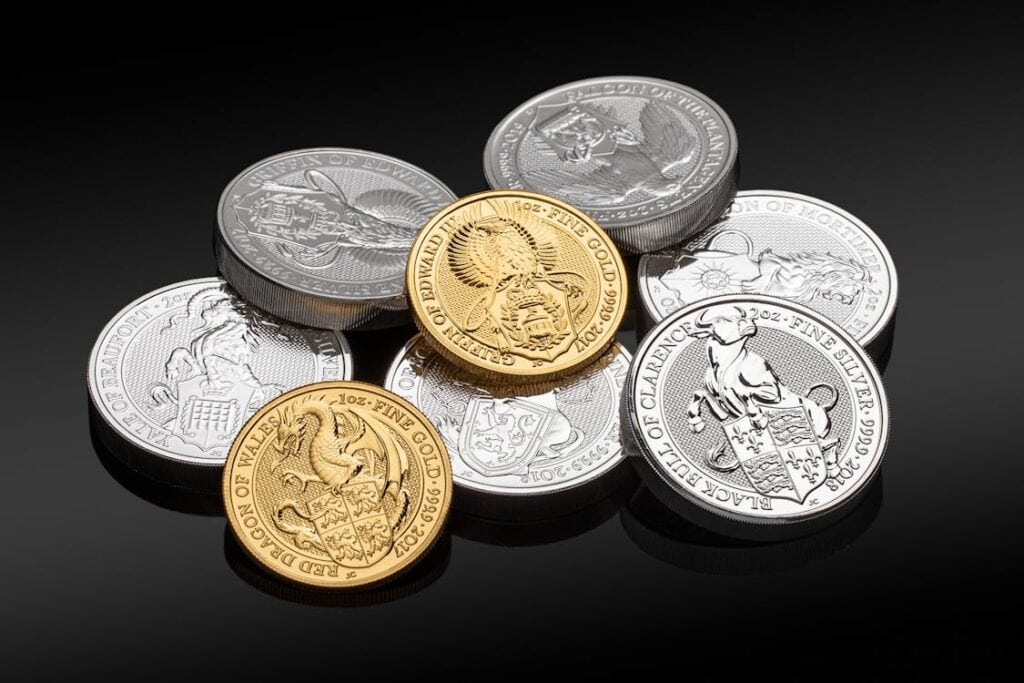
When economies wobble precious metals tend to draw more attention than usual, and there are clear threads that explain why. The appeal is not only technical but deeply human, blending centuries of use with market mechanics that react to fear and policy moves.
People and institutions both reach for assets that feel durable and familiar, and gold and silver meet those criteria in ways that paper assets often cannot. The pattern is the product of scarcity, demand diversity, liquidity, and cultural memory working together in moments of stress.
1. Store Of Value
Gold and silver are finite resources with production that cannot be scaled instantly, which gives them a quality of scarcity that paper money lacks when supply expands fast. That constraint means the metals behave differently from claims on future receipts or numbers on a ledger, and long memories keep them in the minds of many when trust frays.
Across eras and continents they have been used to transmit wealth across generations, an attribute that remains meaningful when people face erosion of purchasing power. The physical nature of metal makes value tangible in a way that few modern assets can match.
Mining output responds slowly to price signals and new deposits require long lead times before they affect availability in markets, a reality that moderates any sudden supply surge. Official holdings maintained by central banks and sovereign funds create another layer of fixed stock which traders watch closely and interpret as a reserve of last resort.
These stocks are not infinite and their movement can change sentiment quickly, amplifying price action when uncertainty spikes. For private savers the ability to own something outside a ledger feels like a different kind of security, one that has kept money moving into metal when other stores falter.
2. Inflation And Currency Hedging
When a currency’s purchasing power erodes because of monetary expansion or fiscal strain gold and silver often preserve value in relative terms, an attribute that attracts capital seeking protection. Market participants deploy metal as an insurance policy of sorts, adding it to portfolios to blunt the bite of rising consumer costs and unforeseen currency moves.
The relationship is not mechanical, yet the metals have historically shown resilience in episodes when banknotes lose real purchasing power, creating a behavioral pattern investors watch. That pattern is reinforced when central bank policy weakens real yields and reduces the attractiveness of income producing alternatives.
Low or negative real interest rates shrink the opportunity cost of holding assets that do not pay dividends or coupons, helping explain shifts into non yielding stores of worth. Bonds and cash that pay little become less appealing on a real basis, nudging marginal buyers toward precious metals that sit outside the interest rate system.
This shift in relative attractiveness can be slow at first and then accelerate, as fear of inflation and currency debasement becomes a more salient concern. Over time the metal allocation serves as a counterweight to inflationary shocks and currency stress.
3. Flight To Safety
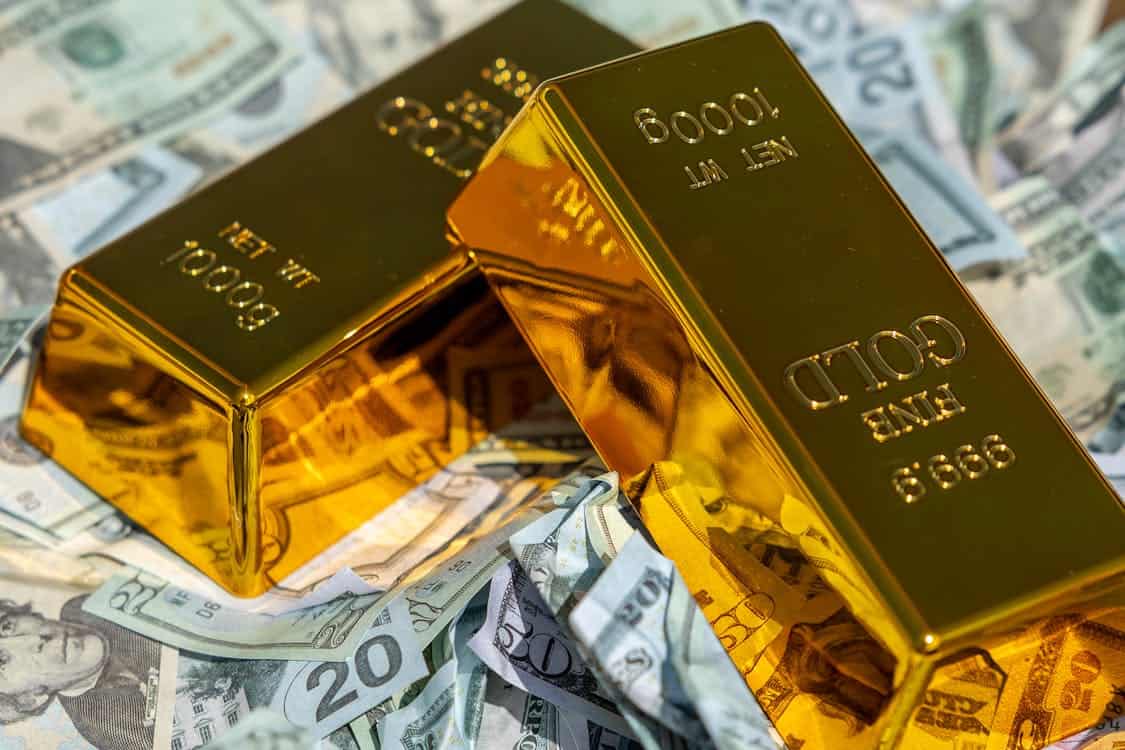
When headlines spark fear and uncertainty investors often seek out what is familiar and widely accepted across borders, sending demand for gold and silver higher. The flow into metal is driven by both institutional players and retail savers who value the portability and universal recognizability of bullion and coin.
Emotional dynamics matter here with selling pressure in other assets translating into buying pressure for tangible value, a cycle that can intensify moves once momentum builds. Markets have a way of amplifying such behavior, turning cautious buying into a broader trend.
Banking turmoil and capital controls create frictions in financial systems that can make complex claims hard to rely upon, while metal moves in a different direction because of its physical portability. In many stress episodes the ability to access value without a banking intermediation is a compelling attribute that lifts demand in surprising ways.
That portability matters at the household level and for cross border flows where trust in local institutions is fragile. The result is that during periods of restricted capital movement or unstable financial plumbing metal often becomes a preferred vehicle for preserving purchasing power.
4. Portfolio Diversification Benefits
Gold and silver often show low or negative correlation with equities and credit under stress, a statistical property that helps portfolios weather sharp downturns. When stocks and high yield credit sell off metals can provide ballast, reducing overall volatility and limiting drawdowns for diversified investors.
Adding a modest allocation of metal is a classic risk management move, and the old saying about not putting all your eggs in one basket fits here because a small slice of something different can change outcomes.
For investors seeking both protection and tangible exposure, investing in physical assets like coins can be a practical way to complement paper holdings. The diversification effect emerges from the distinct drivers of metal prices which do not always move in step with corporate earnings or credit spreads.
Rebalancing dynamics contribute practical demand, as mechanical rules that trim winners and add to laggards lead to buying of metals when risk assets fall and prices become more attractive on a relative basis.
Exchange traded products and vaulting services make it operationally simple for both retail and institutional investors to adjust allocations without the logistical headache of physical storage.
That ease of access helps turn strategic intent into market action at a time when tactical moves matter. The combination of rules based flows and discretionary judgment helps sustain demand during stress.
5. Combined Industrial And Monetary Demand
Silver wears two hats with important industrial use in electronics, solar panels and other applications alongside a monetary role as a store of value and ornament. When manufacturing demand softens in a downturn the monetary component can absorb some of the shock, keeping overall demand from collapsing in lockstep with industrial activity.
Gold is less industrial but heavily monetary, prized for use in jewelry, reserves and fine metal holdings that span cultures and legal systems. The coexistence of industrial and monetary buyers creates a more layered market than assets tied to a single demand source.
Jewelry buying, coin hoarding and official sector purchases add a steady physical base that helps markets absorb sudden changes in investor sentiment. Institutional channels and retail friendly vehicles enable a wide range of buyers to enter or exit positions, broadening the pool of potential demand.
Central bank involvement in bullion markets can also signal confidence and prompt private buyers to follow, amplifying price moves at times. Such multi channel demand provides resilience when stress tightens other parts of the financial system and helps explain why gold and silver often shine when pressure builds elsewhere.