Choosing the right alloy pipes for corrosive conditions calls for a clear view of the fluids, temperatures and mechanical loads involved.
Material choice moves beyond brand names and catalog numbers to the metals and elements that fight corrosion and hold up under stress.
Material Selection For Corrosive Conditions
Start by matching base metal families to the attack mode expected in service. Austenitic stainless steels resist many oxidizing agents well while duplex grades combine higher strength with better resistance in chloride rich waters.
Nickel alloys show excellent performance in reducing acids and mixed chemistries though cost can be high and welding needs practiced hands. Carbon steels remain useful where corrosion can be controlled by inhibitors or coatings and where mechanical strength is a top priority.
Corrosion Mechanisms And Their Impact
Corrosion shows up in many forms and each one eats at metal in its own way, so name the enemy first. Uniform corrosion thins walls predictably while pitting and crevice corrosion strike suddenly and can lead to fast leaks.
Stress related failures such as stress corrosion cracking occur when tensile forces meet certain chemical species at particular temperatures and alloy susceptibilities. Erosion corrosion is driven by flow and suspended particles and often hides behind local thinning that looks like a simple wear problem.
Alloy Composition And Key Elements
Different alloying additions change how a metal reacts to an environment in simple but profound ways. Chromium forms a passive film on stainless steels and its amount often sets the baseline resistance to general attack.
Molybdenum and nitrogen boost resistance against localized pitting and crevice attack in chloride bearing media while nickel raises general corrosion resistance and toughness at higher temperatures. Trace elements and impurities also matter so procure material with chemistry and processing records you can trust.
Environmental Assessment And Testing
Lab screening gives a controlled view while field trials reveal real life surprises so use both whenever possible. Expose coupons, run electrochemical tests and track changes under the same temperature and flow regimes the pipe will face on site.
Measure oxygen, chloride and sulfide levels and note any biological activity because microbes can turn a mild stream into a soup of aggressive species. Correlate test findings with past failures in similar systems to build a practical picture of risk.
Mechanical Requirements And Fabrication Methods
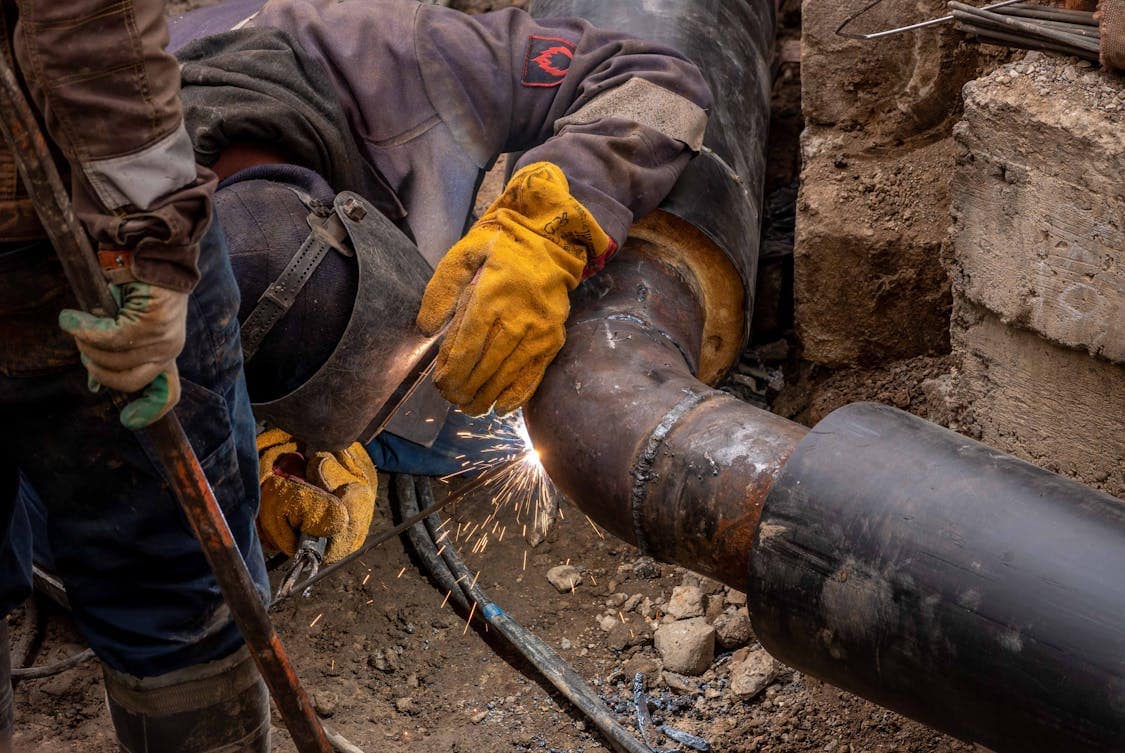
Pipe strength, toughness and fatigue behavior must align with operating pressure, temperature cycles and installation handling. Welding practices change corrosion resistance so specify qualified procedures and post weld treatments where needed to avoid sensitization or residual stress that can invite cracking.
Fabrication choices like bending, cold forming and annealing influence microstructure and performance after installation. For demanding environments where high strength and resistance to stress corrosion are critical, Alloy 625 provides reliable performance over long service intervals.
Protective Coatings And Linings
A cost effective way to stretch the life of a less expensive alloy is to add a compatible barrier that keeps aggressive species away from the metal. Linings such as fluoropolymer films and glass reinforced materials work well where chemical attack is severe and mechanical wear is moderate.
Surface preparation and application technique are often more significant than the coating chemistry itself so demand certified applicators and test records. Remember that coatings hide corrosion patterns so plan inspection access and test coupons behind barriers.
Inspection Maintenance And Monitoring Programs
Even the best alloy can fail if early signs are missed so set up regular checks that match the risk profile of the system. Use a mix of visual checks, ultrasonic thickness readings and targeted corrosion probes to track changes over time and catch trends before leaks appear.
Corrosion monitoring tools such as coupons and electrical resistance probes give quantitative trend lines that help time repairs in a cost effective way. Keep records in a simple searchable format so that past failures inform future choices and avoid repeating the same mistake.
Cost And Life Cycle Assessment
The cheapest material up front can become the most expensive in service when repairs, downtime and replacement are counted into the tally. Balance capital expense against expected maintenance, inspection frequency and the cost of failure for the specific process and location.
Factor in fabrication, welding and any special handling that certain alloys require, and treat welding labor as part of the material price when comparing bids. Run scenarios that trade higher initial outlay for longer intervals between service stops and lower risk of environmental or safety incidents.
Selecting Suppliers And Quality Assurance
Choose suppliers who supply full traceability for heat numbers, mill tests and any special processing the alloy has undergone. Ask for references from similar industries and examine field performance statements and failure records where they exist.
Specify acceptance criteria for microstructure, hardness and surface condition and require non destructive testing reports for critical welds and joints. A reliable supply chain and disciplined quality program reduce surprises and make the job of keeping pipes in service a matter of routine rather than crisis.