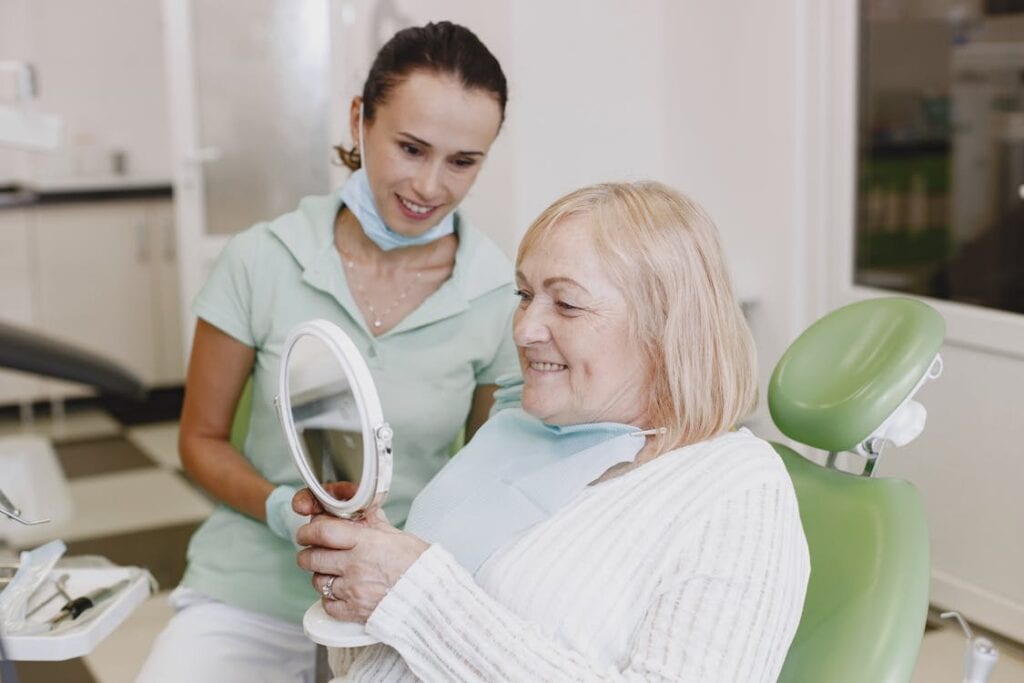
Losing one or more teeth changes more than a smile, and it can affect eating, speech and self image in subtle ways. Dental implants act like artificial roots that anchor replacement teeth in the jaw, often producing a result that feels and looks close to natural.
Many people report a renewed ease with daily life after treatment, and the benefits are built to last rather than to be a short term fix. When weighing options for replacing lost teeth, a clear look at the practical pluses helps explain why so many choose implants.
1. Improved Oral Function And Comfort
Implants anchor a crown directly to the jawbone, restoring bite force so chewing feels strong and reliable again, which makes a wide range of foods enjoyable without hesitation. Removable dentures can shift, rub and require adhesives, turning simple meals into an exercise in caution and limiting dietary choices over time.
With a well placed implant the replacement behaves like a fixed tooth, so routine acts such as biting, tearing and grinding can be done without constant thought or worry. That regained ease at the table often translates into better nutrition and a more relaxed relationship with food.
Speech can clear up when missing teeth or unstable prosthetics cause lisps, clicks or vowel distortion during conversation, and steady implants help keep consonants crisp. The titanium post bonds with bone to form a firm base that resists movement, which reduces the slips that make talking feel awkward or insecure.
People commonly describe the sensation as more natural and forgettable, the kind of change that sneaks up on you in the best way. Over time that quiet comfort builds into steadier confidence when chatting with friends or giving a presentation.
2. Long Term Cost Effectiveness
The upfront investment for implants is higher than that for a bridge or a set of removable dentures, which can be a barrier for some families facing a tight budget. Yet when you add routine repairs, relines, replacements and the hidden costs of foods that become off limits, the lifetime tally often tilts back in favor of implants for many patients.
For those looking for personalized advice on whether implants are the right choice, Dr. Chris Kimmel offers expert consultations that help patients navigate the long-term financial benefits.
Materials and placement techniques have improved, and the better fit plus lower frequency of major repairs can mean fewer surprise trips to the clinic and less money spent on temporary fixes. A long term view shifts the conversation from sticker price to total value over years of daily use.
When treatments last longer the need for repeated procedures drops, and that stability becomes a practical saving beyond simple arithmetic, easing household planning and financial stress. Many dental offices work with insurers and lending partners to offer staged payments, which helps spread cost without sacrificing quality.
People who choose implants often describe the decision as a financial trade off that bought them convenience and peace of mind in addition to restored function. That kind of payoff explains why implants are now common among people across age groups who want a durable solution.
3. Natural Look And Speech Confidence
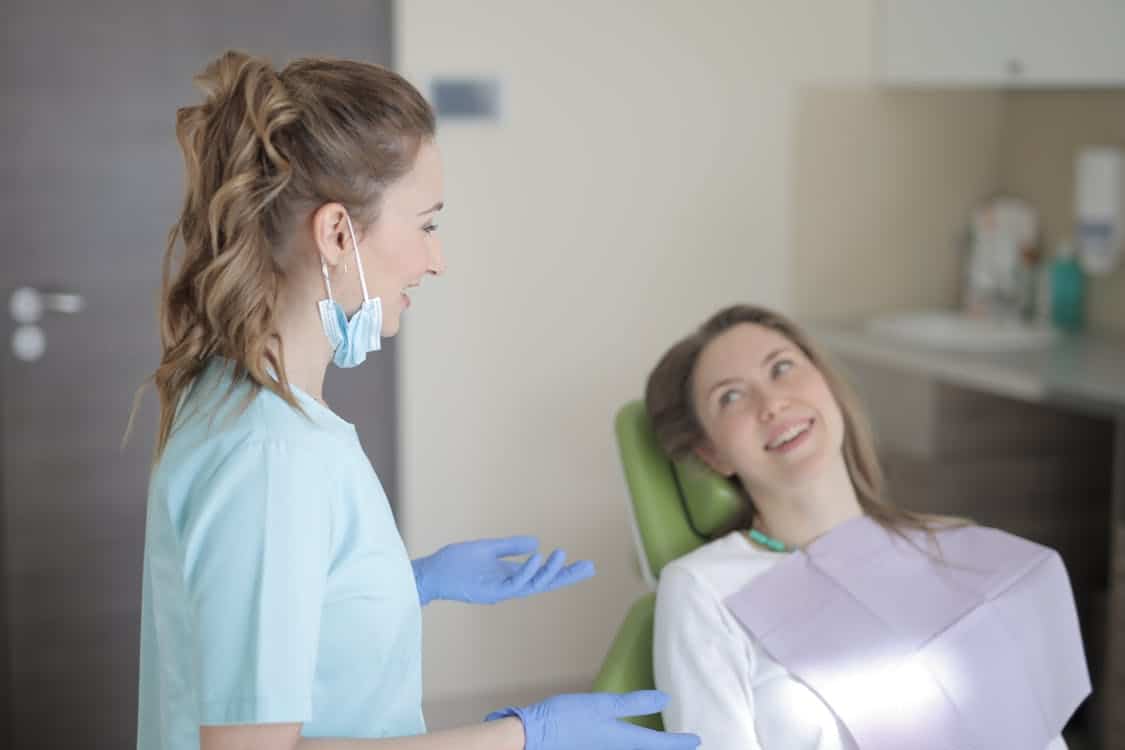
Technicians match the crown to neighboring teeth, shaping contours and shade so the restoration blends with the smile rather than standing out as an object. The way light hits a well matched crown matters, and careful polishing and color layering give results that avoid the telltale chalky or plastic look seen in older prosthetics.
That visual fidelity makes social moments easier because compliments go to the whole smile not to an obvious dental work. For many, looking natural helps conversations flow and removes a layer of social self consciousness.
When a tooth replacement feels stable, pronunciation improves and the fear of a slip or whistle disappears, which makes public speaking and casual chats less stressful. People often say they laugh more freely and perform at work with less distraction once the mouth operates like it used to.
A convincing restoration can change first impressions at an interview or a date, and that boost is not trivial in everyday life. Put another way, implants let you present yourself with confidence and authenticity, which is worth a great deal in human interactions.
4. Bone Health And Facial Structure Preservation
Lost teeth lead to reduced stimulation of the jawbone, and that lack of load often triggers gradual bone loss that changes the lower face over years. Implants act like natural roots by transmitting mechanical signals into the bone when you chew, which helps preserve bone volume and maintains support for cheeks and lips.
Keeping that underlying structure intact prevents the sunken look that sometimes follows long term tooth absence and repeated denture use. A healthy jaw makes later dental work easier and keeps facial proportions more stable.
Maintaining bone can limit the scope of future procedures, with stable bone making restorations simpler and often avoiding extensive grafting or corrective surgeries later on. For people who want to age with fewer dental surprises, that preventative angle is appealing because preserving tissue now reduces the chance of complex interventions later.
Dentists often recommend implants early when feasible, aiming to protect the jaw and maintain options in the years to come. The result is a practical strategy that supports both function and appearance.
5. High Success Rates And Predictability
Modern implant systems have demonstrated strong survival statistics across decades, and refined surgical protocols plus improved materials have increased reliability in everyday practice. Clinical trials and long term follow ups show that when implants are placed with careful planning and patients follow good oral care, the chance of long lasting success is very favorable.
That predictability calms nerves for many who worry about repeating treatments or frequent complications, and it allows clinicians to give realistic timelines and outcomes before work begins. In short, choosing a treatment with known odds brings a clear sense of what to expect.
Careful imaging, template guided placement and routine follow up allow dental teams to catch small issues early and keep healing on track, which reduces surprises for patients. When setbacks occur they are often manageable and seldom require removal of the implant, which is reassuring in an already stressful period.
Daily habits such as regular brushing and periodic professional cleaning play a big role in protecting the investment and keeping the restoration functioning smoothly. With an attentive team and steady home care, implants offer a dependable path back to full bite function and a confident smile.