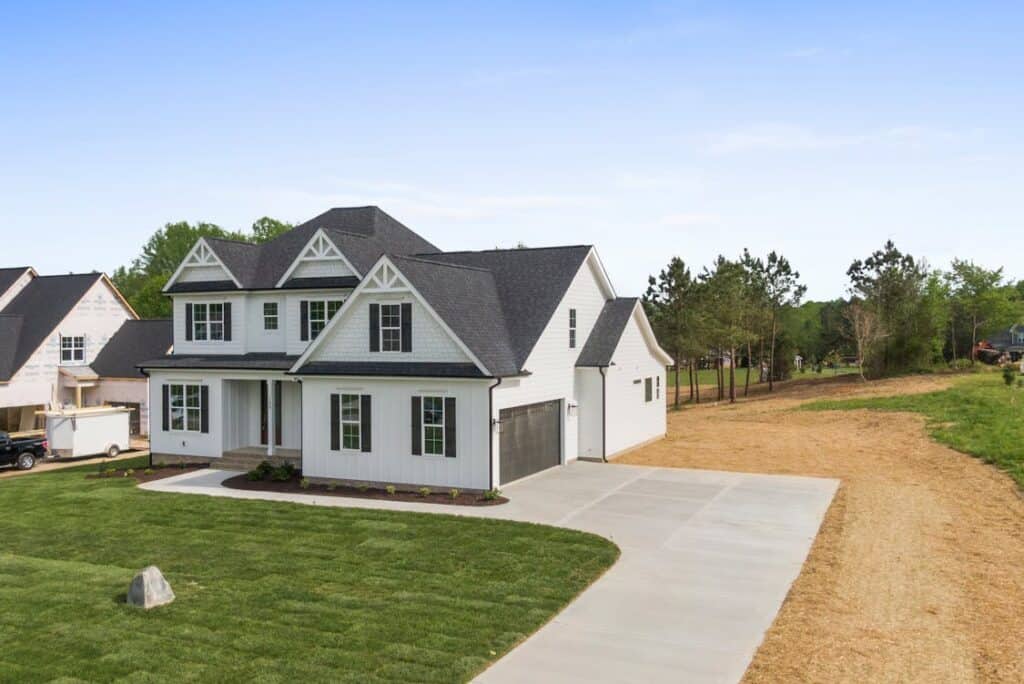
A family friendly house and lot home brings together comfort, practicality and room to grow for people at different life stages. Whether the household has toddlers, teens, elders or a mixed crew, certain baseline features help daily life run smoother and free up time for what matters most.
Good homes blend flexible spaces, safe layouts, smart storage and outdoor areas that invite play and quiet in equal measure. Below are practical elements to guide choices when assessing a property or planning upgrades to create a warm and livable setting.
Location And Accessibility
A good location cuts commute times, widens school options and makes daily errands feel less like a chore and more like a quick stop on the way home, while also shaping family routines that stick.
Proximity to reliable transport, medical centers and grocery hubs acts as a steady help through the week, appearing in small conveniences that add up over months and years.
Street quality, sidewalks that are continuous and gentle slopes with visible crossings influence whether kids can roam safely and whether elders can move with confidence, not strain.
A neighborhood that feels connected without being noisy tends to give families the breathing room to set down roots and build networks that matter for support.
Flexible Layouts And Ample Space
Flexible layouts let rooms shift roles as children grow or work patterns change, giving a home the ability to adapt to new needs without major renovations.
Open living zones paired with private pockets reduce friction when multiple activities occur at once, and a balance of communal space and quiet corners helps everyone find a spot to read, meet or recharge.
Families who want to plan ahead often take time to explore house and land options so they can choose a layout that supports both current routines and future changes.
Clear sight lines from kitchen to play areas allow caregivers to keep tabs without hovering, while extra square footage for a study alcove or a hobby shelf proves useful over the long haul.
Built in elements that tuck away clutter help a room serve several functions over a week, which keeps daily life moving and lightens the mental load.
Safety And Security Features
Good exterior locks, thoughtful lighting around entrances and gate arrangements that are simple to use create an immediate sense of safety that supports daily calm and prevents small crises.
Inside the house, slip resistant flooring in wet zones, childproof latches at reachable heights and safety options for stairs reduce accident risks and make evening routines less fraught.
Smoke detectors, a clear evacuation route and well marked exits matter more than complex gear because they act reliably when hazards appear and do not demand constant attention.
A modest security approach that pairs trusted neighbors with a straightforward alarm choice brings peace of mind for short trips or longer breaks away.
Kid Friendly Design Elements
Rounded countertops, reachable sink heights and non slip surfaces make daily routines safer for small hands and cut down on the minor scrapes and bumps that often slow a morning.
Windows with lower sills and sturdy screens let light pour in while keeping curious climbers far from danger, and secure locks on balcony doors add another layer of protection.
A mudroom with benches and built in cubbies gives children a fixed landing spot for backpacks and shoes, which makes transitions out the door faster and less chaotic.
Washable paints and finishes that wipe clean without fuss turn creative afternoons from a potential headache into memories that can be restored quickly.
Outdoor Space And Play Areas
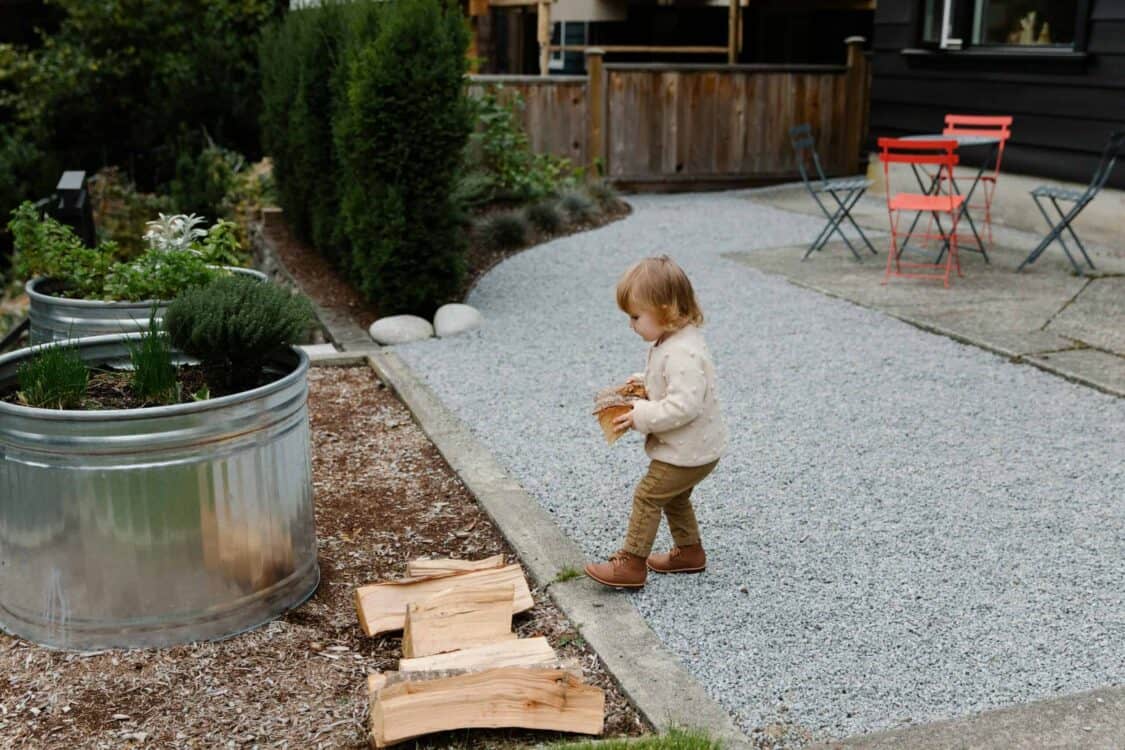
Yard size should match the household rhythm and offer distinct zones for active play plus quieter corners for reading or growing a small patch of herbs, letting the outside work for both energy release and calm.
A covered porch or patio extends liveable space through rain and shine, making impromptu games and casual meals doable without elaborate planning.
Gentle slopes, well maintained lawns and even surfaces reduce trip hazards for small feet and let older kids practice skills without turning every session into a safety lesson.
Fencing that respects sight lines into play areas allows caregivers to relax while youngsters explore, and pet owners can find spots for a dog to run without sending it off into traffic.
Storage And Organization Solutions
Storage often decides how a place feels because when items have a clear home, clutter does not pile up and the house breathes easier for everyone who lives there.
Built in closets, pull out pantry shelves and attic access that is straightforward make it practical to rotate seasonal gear and keep the main living spaces tidy through school terms and holidays.
Drop zones near entries with hooks, benches and labeled baskets for art projects or sports gear cut the back and forth that eats up minutes each day and help small people learn ownership.
A little upfront planning for where things live saves repeated clean up, keeps counters clear for meals and play and reduces the mental tax of constant tidying.
Energy Efficiency And Healthy Materials
Good glazing, reliable insulation and efficient heating and cooling choices lower utility bills and create an indoor environment that is steady for sleep, study and family time without constant adjustments.
Selecting low emission paints, formaldehyde free cabinetry and hardwearing floor finishes reduces indoor pollutants and sets a healthier baseline that pays off over years of daily use.
Water wise fixtures and LED lighting cut ongoing costs and require less attention, and modest solar panels can shave peak daytime consumption when the sun is on your side.
Durable finishes that clean easily and systems that are accessible for service keep up keep out of the way and allow families to focus on life rather than chores.
Community Amenities And Local Services
Nearby schools, playgrounds and health facilities reduce friction when unexpected needs pop up and help with the routines that parents juggle week to week, making life more manageable without extra fuss.
A neighborhood that has informal events, a community noticeboard or occasional meet ups gives families ways to build mutual help for babysitting swaps, tool lending and shared celebrations.
Libraries, nearby shops and safe walking routes encourage short trips on foot and spare the household from turning every errand into a car excursion.
Public transit links with sensible schedules support older teens gaining independence and adults who prefer a commute that leaves time for family at the other end of the day.