Clogs form in pipes for reasons that range from the mundane to the structural, and the result is never pleasant when water refuses to go where it should. Little bits of hair grease food particles or soap residue join forces over time, building up inside bends and traps until flow slows or stops entirely.
Learning how these common materials behave inside a narrow pipe helps anyone take simple steps that cut down on messy repairs and avoid recurring trouble. Small changes in daily routine and a handful of proper tools make a big difference for both sinks and sewer lines.
Common Causes Of Drain Clogs
Most clogs begin with ordinary household debris that gets a foothold inside the pipe and starts to trap other material as water moves through. Hair tends to form long tangled strands that collect soap residue and skin oils, creating snags that grow with every shower.
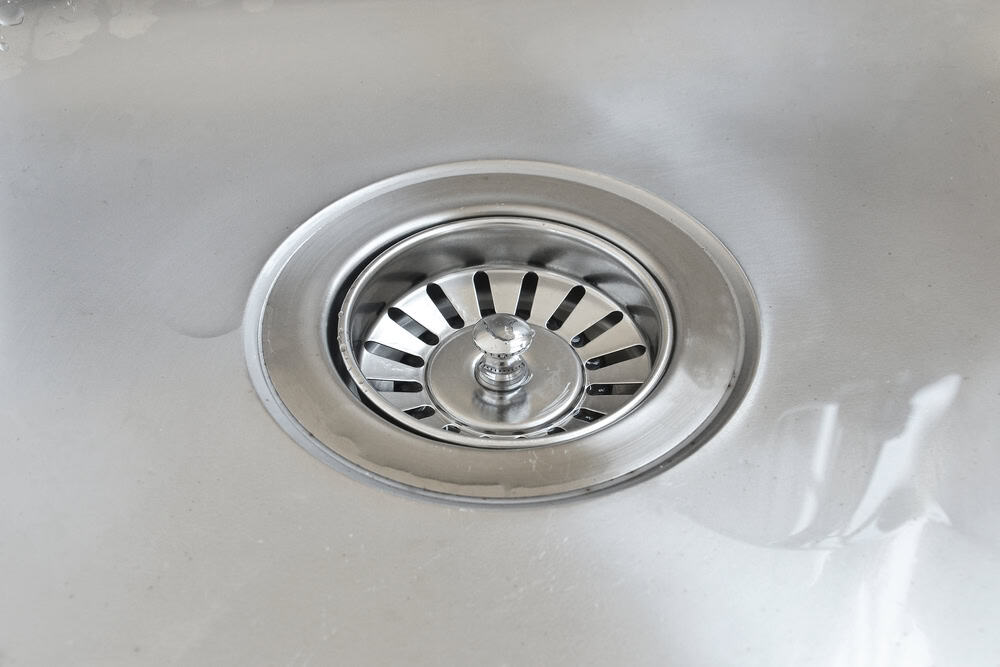
In sinks, grease and tiny food scraps cling to the interior surface and build layers that narrow the passage for water. Over time even lint from laundry and bits of tissue or cotton can add enough mass to create a stubborn obstruction.
Kitchen Clogs And Why They Happen
Grease and cooking oils often behave like silent villains by coating pipe walls and catching food debris in a sticky film that thickens with each use. Coffee grounds and starchy foods such as rice and pasta absorb water and swell, then stick together instead of flowing away, which leads to compact plugs.
Vegetable fibers and fruit peels can intertwine with grease to form dense clumps that resist normal flushing action. To avoid these stubborn buildups, it’s important to routinely clean the grease trap, especially in kitchens where grease and oils accumulate frequently. Relying on hot water alone rarely fixes a well established grease buildup, so prevention and mechanical removal are better bets.
Bathroom And Shower Blockages
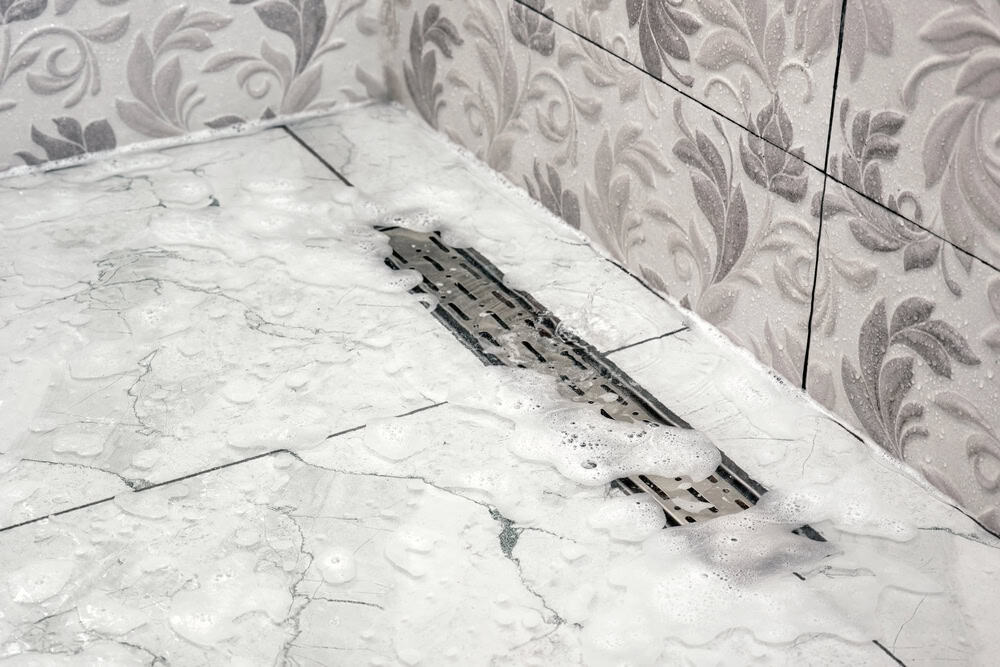
Showers and tubs collect hair, soap residue and personal care product waste that together form a mat over the drain that water must fight to pass through. Long hair strands wrap and loop, attracting more material while shampoos and conditioners leave a film that increases adhesive strength.
Bar soap and some body washes produce a waxy residue that picks up tiny particles and holds them against the pipe surface. Clearing strainers frequently and removing trapped hair before it migrates down the pipe reduces the likelihood of a full stoppage.
Toilet Clogs Explained
Toilet problems often begin when too much tissue or non dissolving items enter the bowl, causing bulk to gather in the trap and downstream lines. Products labeled flushable do not always break down as promised and can bunch up, especially in older or low flow models that push less water per flush.
Items such as sanitary products wipes and paper towels are engineered for strength and therefore resist disintegration in the sewer system. While a plunger may clear a single event, repeated backups suggest the obstruction lies deeper and needs professional diagnosis.
Tree Roots And Pipe Damage
External factors can be the cause of indoor drainage problems when roots seek moisture and exploit small cracks, joints or weakened fittings in underground lines. Once inside a pipe root tendrils expand, weave through the interior and trap grease, sediment and debris, gradually forming a dense mass that blocks flow.
Continued root pressure can deform or collapse sections of pipe, causing low spots where residue collects and flow slows even more. Repair options range from targeted excavation and section replacement to trenchless relining techniques that seal the pipe interior without removing the entire length.
Signs That A Drain Is Starting To Clog
Slow draining after a sink or shower use is often the earliest visible sign that material has begun to cling to the pipe interior and reduce capacity. Gurgling noises from isolated fixtures point to trapped air moving past partial restrictions and signal that flow is disrupted.
Foul or sewer like odors coming from drains indicate organic matter is trapped and decomposing in the line rather than washing all the way through. When more than one fixture backs up or drains poorly at once, the problem often lies in the main sewer connection rather than in a single trap.
Simple Daily Habits To Prevent Clogs
A few routine actions prevent most household clogs before they form, starting with use of strainers in sinks and showers to catch hair and food scraps before they reach the pipe. Pour used cooking oil into a sealed container for disposal with solid waste instead of rinsing it down the drain where it will solidify and trap debris.
Limit toilet paper per flush and place non flushable items in a small waste bin beside the toilet so they do not enter the plumbing. Regularly running hot tap water after heavy use and performing a monthly clean with baking soda and white vinegar followed by hot water helps dissolve light buildup and keeps passages clearer.
Maintenance And Professional Help
Routine inspections for older systems or properties with recurring issues help spot weak points before a full failure develops and can reveal early leaks, sags or root intrusion. Professional technicians can perform camera inspections to locate blockages, measure pipe grade and assess joint integrity without guesswork.
Hydro jetting uses high pressure water to scour pipe walls and remove decades of grease and mineral deposits, frequently restoring flow without major excavation. Keeping service records and addressing early signs such as repeated clogs or slow drains often lowers long term repair costs and prevents more disruptive emergencies.
Tools And Products That Help
A quality plunger suited to the fixture remains the most effective first tool for many simple blockages, and learning correct plunging technique increases success. A manual auger or snake reaches beyond the trap to break apart or retrieve lodged material, while larger powered machines serve professionals for deeper or tougher obstructions.
Enzyme based cleaners use biological action to digest organic sludge without the corrosive effects of strong chemicals and are safer for older systems when used as directed. Strong caustic liquids can dissolve many clogs but they also attack pipe metal and rubber seals and create hazards for users and technicians, so weigh risks before choosing that route.
When To Call A Plumber
If plunging snaking and home remedies fail to restore normal flow, or if backups occur in multiple fixtures at the same time, it is time to bring in a licensed plumber. Raw sewage backups and persistent sewer odors inside living spaces represent a health concern that warrants immediate professional attention.
New wet spots in the yard near the sewer line, sudden sinkhole like depressions or unusually lush patches of grass over a line point to possible breaks or leaks in the underground pipe. Addressing these signs early often keeps repair bills smaller and reduces the chance of structural damage to the property.